No Stage? No Problem: 5 Times Yoshiko Chuma Turned Unexpected Spaces Into Art
Most people, when they think about going to see a dance performance, picture a theater. Maybe a black box studio. At the very least, some kind of designated, official space where the audience sits on one side and the performers work on the other. Yoshiko Chuma would like a word with all of those assumptions.
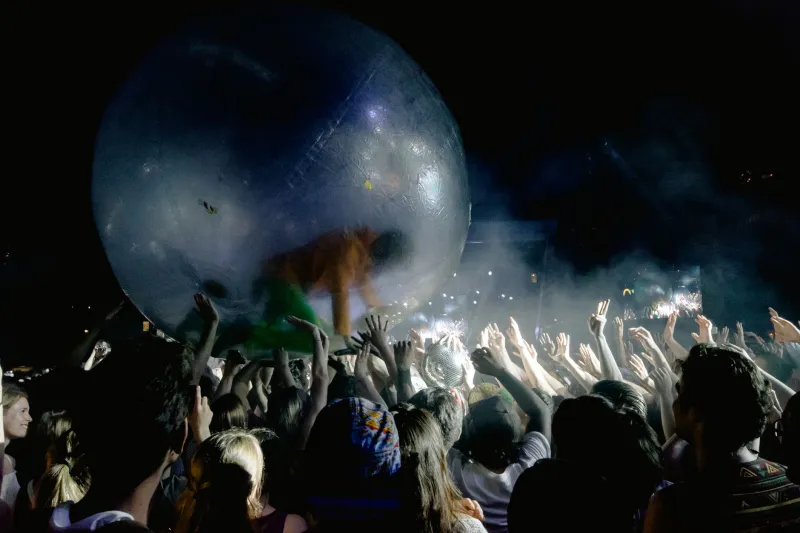
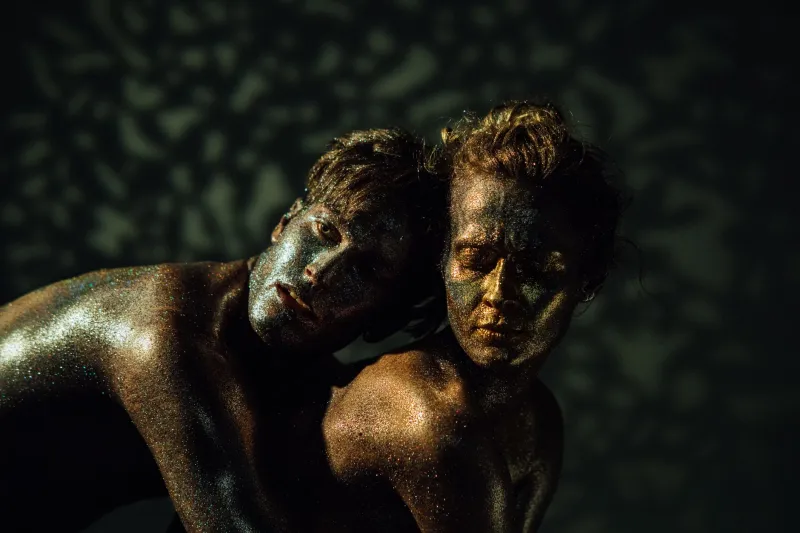
For Chuma and her company The School of Hard Knocks, the choice of where to perform is never just a logistical decision — it's an artistic one. The space is part of the piece. It shapes what's possible, what's surprising, what means something. Over the course of her career, she's staged work in locations that make you rethink what a performance even is. Here are five of the most striking examples, and why each one matters.
1. The Streets of New York City
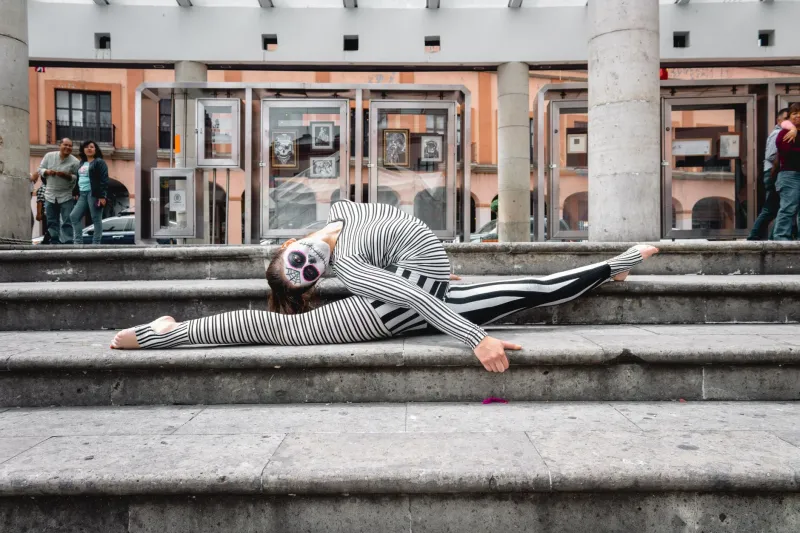
Let's start with the most democratic stage imaginable: the sidewalk. New York City streets are chaotic, unpredictable, and completely indifferent to artistic intention — which is exactly what makes them such a rich performance environment for Chuma.
When she's brought work into public street spaces, the results are genuinely electrifying. Passersby who didn't buy a ticket, didn't plan on seeing art today, and maybe aren't even sure what they're watching suddenly find themselves part of an unplanned audience. That accidental spectatorship is its own kind of magic. It strips away the social contract of the theater — the agreement that you're here to watch, the performer is here to perform — and replaces it with something more raw and democratic.
For Chuma, the street also carries political weight. Public space in American cities is increasingly contested — surveilled, privatized, policed. Claiming it for art is an act of resistance as much as an aesthetic choice. When her performers move through city space, they're asserting that the street belongs to everyone, including artists.
Why it works: The unpredictability of public space forces both performers and audiences to stay present in a way that a controlled theater environment never quite demands.
2. Rooftops and Elevated Urban Spaces
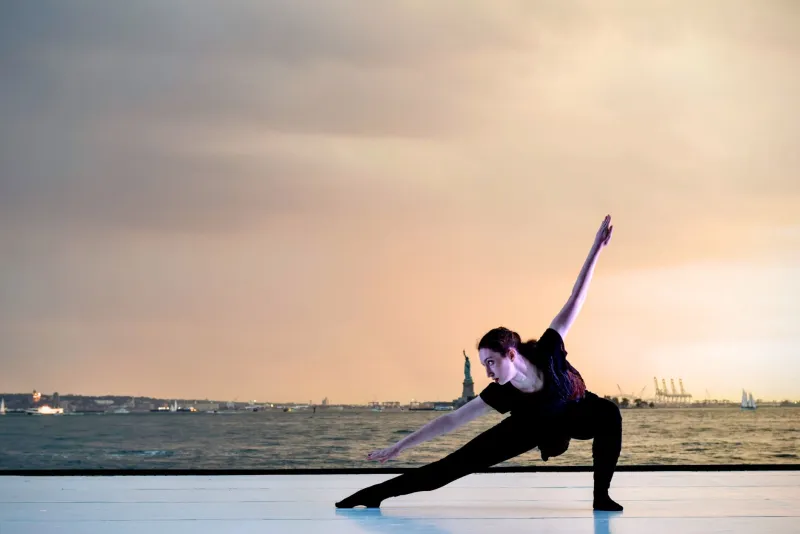
There's something about height that changes everything. When Chuma has taken performance to rooftops and elevated urban settings, the effect is almost cinematic — bodies moving against a skyline, with the city spreading out below like a breathing backdrop.
But it's not just about the visual drama. Rooftop performances create a sense of intimacy and exclusivity that's totally different from a street-level event. The audience has made a deliberate choice to go somewhere unusual. They've climbed stairs, maybe passed through a door that doesn't usually open to the public. That journey primes them to pay attention differently.
There's also something genuinely thrilling about the physicality of it — dancers working near edges, with wind and ambient city noise as unscripted collaborators. Chuma has always been interested in the way environment shapes movement, and there's no environment that shapes it more dramatically than an open rooftop in a dense urban landscape.
Why it works: The elevated setting transforms the city itself into a set piece, blurring the line between the performance and the world it exists within.
3. Galleries and Visual Art Spaces
Chuma's relationship with the visual art world has been long and genuinely collaborative. Staging performance in gallery spaces isn't just a practical choice — it's a philosophical one. It puts her work in conversation with objects, installations, and a different kind of audience expectation.
Gallery-goers come prepared to look, to contemplate, to move at their own pace. When performance enters that space, it disrupts the quiet contemplative rhythm in ways that can be jarring, funny, or deeply moving. Bodies in motion among static objects create a dialogue about time, presence, and what it means to experience something live versus something preserved.
For Chuma, galleries also offer a kind of freedom that traditional theaters don't. There's no fixed seating arrangement, no single sightline, no predetermined relationship between audience and performer. People can move around, get closer, step back. The performance becomes something you navigate as much as watch.
Why it works: The gallery context invites a slower, more contemplative kind of attention — which can make the sudden eruption of live movement feel genuinely startling and alive.
4. International and Cross-Cultural Sites
One of the most distinctive things about Chuma's practice is its global scope. She's staged work in locations across multiple countries and continents, often in spaces that carry deep local cultural significance — sites where the history and meaning of the place itself becomes part of the performance.
This approach demands a particular kind of sensitivity and curiosity. When you perform in a space that holds someone else's cultural memory, you're entering a conversation that extends far beyond your own artistic intentions. Chuma has consistently embraced that complexity rather than avoiding it. Her international work tends to involve genuine collaboration with local artists and communities, which means the space isn't just a backdrop — it's a participant.
For American audiences, this aspect of her practice is a useful reminder that performance doesn't exist in a cultural vacuum. Where something happens, and who it happens with, shapes what it means.
Why it works: Site-specific international work makes visible the way that geography, history, and community are always already part of any artistic event — whether we acknowledge them or not.
5. Institutional and Educational Spaces
Schools, universities, community centers — these are spaces defined by function and routine. People go there to learn, to meet, to carry out the ordinary business of civic life. Bringing performance into those spaces is a deliberate act of disruption, but a generous one.
When Chuma has worked in institutional settings, the effect is often to remind people in those spaces of their own bodies, their own capacity for play and surprise and presence. It's performance as a kind of gift to a community that didn't necessarily expect it. And because these spaces carry their own social dynamics — hierarchies, expectations, familiar patterns of behavior — the introduction of live art into them can shake things loose in really productive ways.
There's also something important about accessibility here. Bringing performance to schools and community centers means reaching audiences who might never set foot in a downtown arts venue. That matters. Art that only lives in designated art spaces risks talking to itself.
Why it works: Institutional spaces carry their own embedded meanings and power dynamics, and performance that enters those spaces inevitably engages with them — making the work richer and more resonant for everyone present.
The Space Is Always Saying Something
What ties all of these together is a core conviction in Yoshiko Chuma's practice: that the environment of a performance is never neutral. Every space brings its history, its architecture, its social meaning, and its accidental qualities to the work. The best site-specific performance doesn't just happen to be in an unusual place — it couldn't exist anywhere else.
If you're looking to dive into Chuma's work for the first time, or if you've seen her in a traditional venue and want to experience something different, keep an eye out for her site-specific projects. They're a masterclass in what happens when an artist refuses to wait for the perfect stage — and goes out to find one instead.